

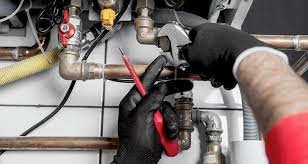
A boiler runs quietly in the background. Most people ignore it until trouble starts. When it makes noise, heats slowly, or fails a lot, you wonder: fix it or get a new one? This choice matters. It changes your comfort and money.
A lot of homeowners wait, hoping their boiler will just start working properly again. But small problems usually get bigger over time. If your bills are going up, your boiler is making strange noises, or your heating feels uneven, it’s a good idea to act sooner rather than later. Partnering with trusted boiler repair experts in Vancouver early can save you from expensive repairs down the line. Keep an eye out for the warning signs so you can avoid sudden breakdowns and extra costs.
This blog shows when to fix and when to replace. At the end, you will know what to inspect, how to weigh costs, and how to pick the right option for your home over time.
The Key Signs Your Boiler Might Need Attention
A boiler rarely fails without warning. Most issues start small and slowly affect the system’s performance, efficiency, and safety. When you recognise these signs early, you save money, prevent major failures, and keep your home heating consistent. Here is a deeper look into the most important signs that your boiler needs attention.
- Strange or Unusual Noises Coming From the Boiler
A healthy boiler runs with a soft, steady sound. If you start hearing new or louder noises, it’s usually a sign of internal trouble.
Everyday noises and their deeper meaning:
- Banging or knocking:
Often caused by “kettling,” where limescale builds up inside the heat exchanger. The trapped steam bubbles hit the metal walls, creating loud bangs. This puts pressure on the system and shortens the boiler’s lifespan.
- Whistling or high-pitched sounds:
This happens when water flow is blocked or restricted. It can be due to mineral deposits, faulty valves, or pressure issues.
- Gurgling:
Indicates trapped air or low water pressure. Trapped air impedes smooth circulation, forcing the boiler to work harder.
These noises may seem small at first, but they usually indicate a deeper mechanical or circulatory problem that worsens over time.
- Rooms Heating Unevenly or Slower Than Usual
If some rooms are warm while others stay cold, the boiler or the heating system isn’t delivering heat evenly.
Possible causes behind uneven heating:
- Weak circulation pump:
The pump may be losing power, preventing heated water from reaching all radiators.
- Sludge buildup in pipes or radiators:
Dirty water or rust can block flow, causing cold spots.
- Faulty thermostat or temperature sensors:
The boiler may be getting incorrect temperature readings, leading to inconsistent heating.
- Boiler losing heating capacity:
Older boilers sometimes struggle to maintain consistent output as internal parts wear down.
Uneven heating is one of the earliest and most evident signs that your boiler efficiency is dropping.
- Sudden Increase in Energy Bills
If you notice a rise in your gas or electricity bill without increasing your usage, your boiler may be losing efficiency.
Why does this happen?
- As components wear out, the boiler needs more fuel to produce the same amount of heat.
- Limescale inside pipes forces the boiler to run longer heating cycles.
- Decreased circulation means the boiler stays on longer just to reach normal temperature.
- Sensors or valves may be malfunctioning, causing overheating or repeated restarts.
Higher energy bills are a practical warning that the system is aging or struggling.
- Frequent Breakdowns or Repeated Repairs
If you find yourself calling a technician regularly, it’s a clear sign that your boiler is becoming unreliable.
Why repeated breakdowns matter:
- Components in older boilers fail one after another due to normal wear and tear.
- Internal corrosion can develop over time, damaging pipes and fittings.
- Pressure issues become more common as seals age and weaken.
- The system may operate at unsafe or unstable levels.
A boiler that constantly breaks down is usually past the point where repairs make sense. Scheduling timely boiler repair services with Surrey based professionals can help you assess whether fixing it is worthwhile or if replacing it would be the safer, long-term choice.
- Yellow or Orange Pilot Flame Instead of Blue
An AA pilot flame should always burn a steady blue.
If it turns yellow or orange, the gas isn’t burning properly.
Why is this dangerous?
- It can signal carbon monoxide production from incomplete combustion.
- Air vents or flues may be blocked, limiting oxygen flow.
- The burner might be dirty, damaged, or misaligned.
- Gas may not be reaching the burner properly due to valve issues.
This is a serious safety issue and should be checked immediately by a qualified technician.
How to Calculate Whether Repair or Replace Your Boiler
When your boiler shows problems, could you decide whether to fix it or get a new one? The best pick depends on price, age, how well it works, if it will last, and if it is safe. You can carefully review these things to make wise choices for the future.
- Compare Repair Costs With Replacement Costs
Start by understanding the immediate financial impact:
- Repair Costs: Get a detailed estimate from a qualified technician, including parts and labor.
- Replacement Costs: Include the cost of the boiler itself, installation fees, and any adjustments to your heating system.
Rule of Thumb: If the repair costs more than 50% of a new boiler, replacement is usually more cost-effective over the long term.
- Consider the Age of Your Boiler
Your boiler’s age matters a lot:
- Less than 10 years old: Repairs are often worth it for minor issues.
- 10–15 years old: Repairs may work, but reliability and efficiency decline.
- Over 15 years old: Replacement is usually better due to recurring issues and poor efficiency.
Older boilers are more likely to need repeated repairs, which can add up quickly.
- Account for Energy Efficiency
A boiler may work, but an old or inefficient model wastes energy:
- Compare current fuel bills to projected bills with a modern, high-efficiency boiler.
- Newer boilers can save 20–30% on annual energy costs.
- Factor these savings over several years to determine the long-term financial benefit.
Efficiency savings can often offset the higher upfront cost of replacement.
- Estimate Future Repair Likelihood
If your boiler has started breaking down frequently, consider what future repairs might cost:
- Minor repairs add up over time.
- Components like heat exchangers or pumps may fail soon.
- A new boiler minimizes future repair costs and reduces the risk of unexpected breakdowns.
This helps you see the bigger picture beyond the immediate repair bill.
- Factor in Comfort, Convenience, and Safety
Some considerations go beyond money:
- Comfort: A new boiler ensures steady heating and hot water.
- Convenience: Fewer service calls and interruptions.
- Safety: Older boilers may pose hidden risks, such as carbon monoxide leaks or worn parts.
Sometimes replacing a boiler is the better choice simply because it improves your home environment and peace of mind.
The Role of Energy Efficiency in Your Decision
Energy efficiency matters a lot when you choose to fix or replace your boiler. A boiler that burns extra fuel costs you money each month, even when it’s running. So the key question is not just “What costs less now?” but “What saves the most in the coming years?”
- Higher Efficiency Cuts Monthly Bills
- New boilers are designed to use fuel more efficiently. Many older systems waste heat, so you pay for energy you don’t use.
- If you notice rising gas or electricity bills, your boiler may be losing efficiency. Over time, the extra cost of wasted energy can exceed the price of a replacement.
- Efficiency Drops With Age
- Boilers naturally lose efficiency as they get older. A 12-year-old boiler might be running at 70 percent efficiency, while a modern one can reach 90 percent or more.
- This difference adds up quickly. A more efficient boiler often pays for itself through lower energy use.
- Repairs Don’t Always Restore Efficiency
- Fixing a part might get your boiler running again, but it rarely brings back its original efficiency.
- If the system needs frequent repairs or struggles to maintain temperature, it may be using more fuel than necessary to do its job. Replacing the unit becomes a smarter long-term option.
Final Thoughts
Choosing whether to repair or replace your boiler doesn’t need to be overwhelming. Consider its age, how frequently it breaks down, the cost involved, energy efficiency, and your long-term plans. Looking at these factors makes the decision much clearer.
If your boiler is fairly new and the problem is small, a repair usually makes sense. But if it’s older, running inefficiently, and keeps causing issues, investing in a new boiler is often the smarter choice for both comfort and savings.