

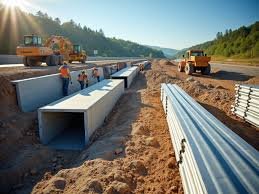
Urban areas are growing faster than ever. Cities are expanding outward and upward, and the pressure on infrastructure keeps increasing. Roads, drainage systems, utilities, and flood control structures must all work reliably for decades, often under harsh conditions. At the same time, planners and engineers are expected to build in an environmentally responsible, cost-effective manner over the long term.
This is where precast box culverts play a quiet but critical role. They may not be the most visible part of a city, but they support everything built above them. When designed and installed correctly, precast culverts help cities manage water, protect the environment, and reduce long-term maintenance costs. They also align well with sustainable construction goals.
This article explains how precast culverts contribute to sustainable, long-lasting urban development and why many municipalities and engineers prefer them over other solutions.
Benefits of Precast Culverts for Urban Development
Precast culverts offer a range of practical benefits that make them well-suited for modern urban infrastructure. Cities need solutions that are reliable, efficient, and capable of handling long-term demands. Precast culverts meet these needs by combining structural strength with construction efficiency and environmental responsibility.
- Faster Construction and Minimal Urban Disruption
Urban projects often operate under tight schedules and heavy public scrutiny. Precast culverts are manufactured off-site and delivered ready for installation. This significantly reduces on-site construction time compared to cast-in-place structures. Roads can reopen sooner, traffic disruptions are minimized, and nearby businesses and residents face less inconvenience. Faster installation also helps municipalities complete projects on time and within budget.
- High Structural Strength and Load-Bearing Capacity
Precast culverts are designed to carry heavy loads from traffic, buildings, and embankments above them. Reinforced concrete provides excellent strength and stability, making these culverts suitable for high-traffic roads and dense urban areas. Their ability to withstand constant pressure without deformation ensures long-term performance and safety.
- Long Service Life and Durability
Urban infrastructure is constantly exposed to moisture, chemicals, and shifting temperatures. Precast concrete holds up well under these conditions, offering strong resistance to corrosion, surface wear, and weather-related stress. When designed and installed correctly, precast culverts can remain in service for decades with little loss in performance. Their long lifespan reduces the need for repeated repairs or replacements, supporting more sustainable and cost-effective urban development.
- Low Maintenance Requirements
Maintenance work in cities is costly and disruptive. Precast culverts require fewer repairs due to their durable construction and consistent quality. Reduced maintenance means fewer road closures, lower labor costs, and less use of construction materials over time. This directly supports long-term cost savings and efficient urban management.
- Consistent Quality Through Controlled Manufacturing
Because precast culverts are produced in factory-controlled conditions, quality remains consistent across all units. Concrete mix design, curing, and reinforcement placement are carefully monitored. This level of control reduces the risk of defects and ensures reliable performance once installed in urban settings.
- Improved Safety for Workers and the Public
Shorter on-site construction time and fewer complex activities improve safety. Workers are exposed to hazards for a shorter duration, and pedestrians and drivers experience fewer risks around construction zones. This makes precast culverts a safer choice for busy urban areas.
- Better Life-Cycle Cost Performance
While initial costs may appear higher, precast culverts offer excellent value throughout their life cycle. Faster installation, reduced maintenance, and long-term durability result in lower overall costs. For cities planning long-term infrastructure investments, precast culverts are a financially sound option.
- Flexibility for Urban Design Requirements
City projects often have tight spaces and tricky designs. Precast culverts come in many shapes and sizes. They can be made to fit the exact project needs. This option lets engineers create good drainage and crossing setups. It does not harm nearby structures.
How Precast Culverts Improve Urban Development Systems
Urban development systems depend on reliable infrastructure working quietly in the background. Roads, drainage networks, utilities, and flood control measures must function together without failure. Precast culverts play an essential role in strengthening these systems by improving water flow, supporting surface infrastructure, and reducing long-term operational issues.
- Efficient Stormwater and Drainage Management
One of the primary functions of precast culverts is to provide effective stormwater management solutions in urban areas. As cities expand, natural land is replaced by hard surfaces that limit water absorption. Precast culverts direct rainwater safely beneath roads and through drainage networks, reducing waterlogging and surface flooding. Their smooth internal surfaces improve flow efficiency and help minimize blockages during heavy rainfall.
- Support for Road and Transportation Infrastructure
Urban roads and highways rely on stable foundations. Precast culverts installed beneath roadways support both water flow and structural loads. Reinforced concrete culverts distribute traffic loads evenly, preventing road settlement and surface damage. This improves road lifespan and reduces the frequency of repairs.
- Improved Flood Control and Water Flow Regulation
Box culverts and large-diameter precast units perform especially well in flood-prone areas. They help manage high water volumes efficiently, reducing the risk of overflow onto roads, sidewalks, and nearby properties.
- Reduced Construction Time and System Downtime
Urban development projects often face tight deadlines. Precast culverts arrive ready for installation, allowing systems to become operational faster. Reduced construction time means less downtime for roads and utilities, helping cities maintain normal operations during infrastructure upgrades.
- Long-Term System Reliability
Urban systems require components that perform consistently over decades. Precast culverts offer high durability and resistance to environmental damage. Their long service life reduces the likelihood of system failures, emergency repairs, and unexpected disruptions.
Why Precast Culverts Are a Long-Term Solution for Growing Cities
Cities are expanding faster than ever, and infrastructure built today must support growth for decades. Drainage and water management systems cannot afford frequent failures or upgrades. Precast culverts stand out as a long-term solution because they are designed to withstand increasing loads while remaining reliable, adaptable, and cost-effective.
- Designed to Handle Future Urban Growth
As cities grow, traffic loads increase, and water runoff becomes more intense due to the addition of roads, buildings, and paved surfaces. Precast culverts are engineered with high load-bearing capacity, allowing them to support heavier traffic and larger developments in the future. Their structural strength ensures that cities do not need to rebuild drainage systems every time urban density increases.
- Long Service Life with Minimal Performance Loss
One of the key reasons precast culverts are a long-term solution is their durability. Reinforced concrete resists corrosion, abrasion, and environmental stress caused by moisture and chemicals. Even after decades of use, precast culverts retain their structural integrity, making them ideal for cities seeking infrastructure that lasts without constant maintenance.
- Reduced Need for Costly Repairs and Replacements
Frequent repairs disrupt city life and place a heavy financial burden on municipalities. Precast culverts require minimal maintenance compared to many traditional drainage solutions. Their consistent quality and robust design reduce the risk of cracks, leaks, and collapses. This reliability helps cities avoid emergency repairs and unplanned expenses over the long term.
- Adaptability to Changing Urban Requirements
Growing cities often need to expand or modify existing infrastructure. Precast culverts offer flexibility in design, size, and layout, making future upgrades easier. They can be integrated into expanded drainage networks or connected with new developments without compromising system performance. This adaptability supports long-term urban planning goals.
- Strong Life-Cycle Cost Advantage for Municipalities
While the initial investment in precast culverts may seem higher, their life-cycle cost is significantly lower. Faster installation, lower maintenance requirements, and a long service life result in substantial savings over time. For growing cities operating on limited budgets, precast culverts offer a financially sustainable solution that delivers value for decades.
Final Thoughts
Precast culverts may not always be visible, but their impact on urban development is significant. By improving drainage, reducing flood risks, and offering long service life with minimal maintenance, they support cities in building infrastructure that is both reliable and sustainable. When planned and installed correctly, precast culverts help urban areas grow without compromising safety, performance, or long-term value.