

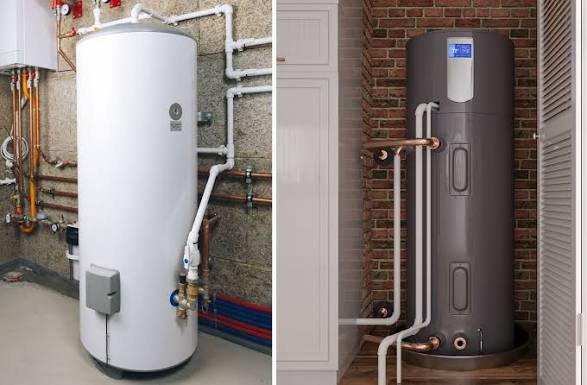
Choosing the right hot water tank is an essential decision for any homeowner. It affects your daily comfort, energy bills, and long-term home costs more than you might expect. From morning showers to laundry and dishes, hot water plays a key role in everyday life. That’s why understanding your options before making a choice can save you money, time, and frustration in the long run.
Many homeowners feel confused when deciding between gas and electric hot water tanks. Both options have their own benefits, costs, and performance levels, and the right choice often depends on your home setup and family needs. Knowing how each system works and what to expect can make the decision much easier and more confident. For expert advice, reach out to trusted Hot Water Tank Replacement Services in Ottawa to ensure the best solution for your home.
In this blog, we will explore why choosing the right water heater matters, compare gas and electric tank models, and highlight seven key differences every homeowner should know.
Why Choosing the Right Water Tank Matters
Choosing the right hot water tank is an essential decision for homeowners. It affects your comfort, energy use, and monthly utility costs more than you may realize. An appropriately sized and efficient water tank ensures you always have enough hot water without wasting energy or money.
Your water tank supports everyday activities like showering, washing dishes, and doing laundry. If the tank is too small or inefficient, you may face cold showers, slow recovery times, or higher bills. On the other hand, the right tank works quietly in the background and meets your household’s needs with ease. Key reasons why choosing the right water tank matters include:
- Reliable hot water for daily household use
- Lower energy bills through better efficiency
- Proper sizing based on family size and usage
- Longer lifespan with fewer breakdowns
Taking the time to choose the right water tank helps ensure long-term comfort, savings, and peace of mind.
Gas Hot Water Tank
A gas hot water tank heats and stores water for your home using natural gas or propane. It heats water quickly with a bottom-mounted burner and recovers quickly after heavy use. Proper venting is required to release combustion gases outside the home safely.
Electric Hot Water Tank
An electric hot water tank uses electric heating elements to heat and store water. It provides consistent hot water without combustion or venting, making installation simpler. While heating is slower than gas, electric tanks are ideal for small to medium households and work well with renewable energy sources.
Gas vs Electric Hot Water Tanks: 7 Key Differences Every Homeowner Should Know
| Difference | Gas Hot Water Tank | Electric Hot Water Tanks |
| Energy Source and Availability | Gas hot water tanks rely on natural gas or propane to generate heat, providing a constant, reliable energy source in most urban and suburban areas. This ensures steady performance even during high household demand periods. If you are looking for reliable home energy solutions, contact the Gas Fireplace services experts in Ottawa today. | Electric hot water tanks operate on electricity supplied by home wiring, providing consistent availability wherever electricity is available. They integrate seamlessly with modern smart home systems and renewable energy solutions, making them adaptable and environmentally conscious. |
| Heating Speed and Recovery Time | Gas tanks heat water quickly through direct combustion, delivering a higher recovery rate and consistent temperature. They can meet the demands of large families without extended waiting times, ensuring hot water is available when needed. | Electric tanks take slightly longer to heat water, but maintain a steady temperature once heated. They provide a reliable daily hot water supply for typical household use while reducing energy waste through efficient insulation. |
| Installation Requirements | Installing a gas tank requires proper venting, gas line connections, and commitment to local safety regulations. Professional installation ensures optimal performance and minimizes potential risks, balancing convenience with the need for technical setup and compliance. | Electric tanks are easier to install, requiring only a standard electrical connection without specialized venting or fuel lines. Their installation process is straightforward, allowing flexible placement options within homes and faster setup times for homeowners. |
| Upfront & Installation Costs | Gas tanks generally involve higher upfront costs due to more complex installation needs and additional equipment such as vents and gas piping. These costs reflect long-term efficiency benefits and quicker heating capabilities for demanding households. | Electric tanks are often more affordable initially, with lower purchase and installation expenses. Their simpler design reduces labor and material requirements, allowing homeowners to invest in energy efficiency upgrades without a substantial initial financial burden. |
| Monthly Operating Costs | Operating costs for gas tanks depend on fuel prices but can be lower in areas where natural gas is cost-effective. Their high efficiency for continuous hot water supply helps balance monthly energy bills while providing rapid water heating. | Electric tanks may incur slightly higher monthly costs in regions with expensive electricity rates. They benefit from predictable energy consumption patterns and can be paired with off-peak electricity plans to optimize affordability and energy management. |
| Maintenance and Repair Needs | Gas tanks require regular inspection of burners, vents, and gas connections to maintain safety and efficiency. Scheduled professional maintenance helps prevent leaks, ensures consistent performance, and extends the tank’s lifespan, reducing unexpected repair costs. | Electric tanks have fewer mechanical components, resulting in easier maintenance and lower repair frequency. Monitoring heating elements and tank insulation ensures optimal performance, making them an ideal choice for homeowners seeking convenience and low-maintenance reliability. |
| Safety & Environmental Impact | Gas tanks involve potential safety risks, including fuel leaks, combustion hazards, and carbon monoxide exposure. Strict adherence to safety standards, professional installation, and periodic inspections are essential to protect homes and families effectively. | Electric tanks eliminate combustion risks, offering safer operation within homes. Proper electrical connections and grounding are essential, but the absence of fuel-related hazards makes them a dependable and low-risk solution for daily hot water needs. |
Choosing the Right Hot Water Tank for Your Home
Choosing the right hot water tank is essential for your comfort, energy savings, and long-term cost savings. Every home has unique needs, so considering the following factors can help you make the best choice:
- Household Size and Usage – Larger families often benefit from faster-heating gas tanks, while smaller households may find electric tanks sufficient.
- Energy Costs and Availability – Compare local gas and electricity prices to understand long-term operating costs.
- Installation and Space – Evaluate where the tank will fit and whether venting or special connections are required.
- Maintenance and Safety – Factor in how much upkeep you are comfortable managing and the safety features of each tank.
By matching the water tank to your home’s setup and lifestyle, you ensure consistent performance, improved comfort, and long-term value.
Final Words
Choosing between a gas and electric hot water tank comes down to your home’s size, energy costs, and daily hot water needs. Gas tanks offer faster heating and higher recovery rates for larger households, while electric tanks provide easier installation, lower maintenance, and compatibility with renewable energy sources. By weighing upfront costs, operating expenses, and safety considerations, you can pick the option that fits your lifestyle and budget, ensuring reliable hot water and long-term satisfaction without any compromise.