

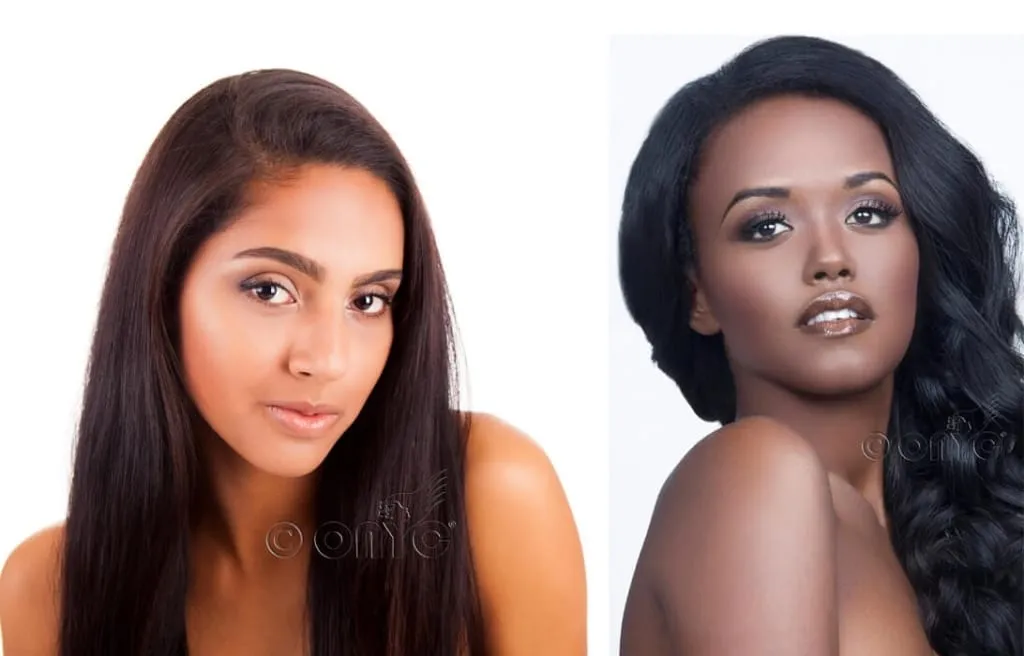
If you’re building (or scaling) a direct-to-consumer brand in the textured tresses space, here’s the truth: customers don’t fall in love with “the cheapest bundles” or the loudest ads—they stick with the brands that feel safe, consistent, and community-driven. The sites that earn repeat buyers are the ones that make it easy to verify what you’re getting, showcase real outcomes, and invite customers into an experience bigger than a single order. This is why the strongest businesses aren’t just selling extensions—they’re building trust infrastructure: reviews that feel authentic, creator partnerships that educate, and communities that keep the conversation going long after checkout.
Textured tresses deserve better: choosing the Best Websites To Order Hair From
Textured and natural hair isn’t “one-size-fits-all”—it’s expressive, versatile, and deeply personal. From curl pattern diversity to density preferences and protective styling goals, shoppers are not simply buying a product; they’re choosing confidence for their mane. That’s why the Best Hair Sites To Order From aren’t defined by flashy banners or endless discount pop-ups—they’re the platforms that help customers feel informed, seen, and supported.
From a startup growth perspective, “trust” is not a vibe—it’s a system you build intentionally. Online, buyers can’t touch the product first, so your website has to do the heavy lifting. The strongest brands win by making quality visible and decisions simple through proof signals like:
- Clear product specs (texture, density, length, weight, weft type)
- Transparent shipping timelines and tracking expectations
- Straightforward return and exchange policies written in plain language
- Care guides that match the product (not generic copy)
- Real customer photos across multiple lighting conditions
When a shopper lands on a site and immediately understands what they’re buying—and what happens if it isn’t a fit—hesitation drops. That’s what converts are. And it’s also what makes your content helpful enough to stand out without relying on “top sites” fluff.
Trust isn’t claimed—it’s shown: reviews, proof, and the social layer that sells
Let’s answer the big question first: How do hair brands build trust online? They build it by reducing uncertainty at every step, using real-world validation rather than marketing promises. Reviews are the shortcut to confidence, but only when they feel human and verifiable—because buyers can spot fake hype quickly. This is where textured products shine (and where many brands slip). Natural hair has nuances: shrinkage, curl memory, frizz behavior, and how the fibers respond to humidity. When shoppers see reviews that speak to those realities—especially with video, routine details, and day-by-day wear feedback—the product becomes “known,” not risky.
That’s also why How important are reviews in the hair industry? can be answered in one line: they’re often the deciding factor. For tresses shoppers, reviews do what a store associate would do in person—confirm expectations. Strong review ecosystems include:
- Photo + video reviews with multiple angles
- “Matches my curl pattern” style tags or filters
- Verified purchase badges and date stamps
- Review prompts that ask about shedding, tangling, and longevity
- Balanced feedback (a few thoughtful critiques increase credibility)
Now add community, and trust becomes magnetic. For example, a brand that supports textured education and wear tests can naturally attract customers shopping for Kinky Curly Hair Extensions—not because of aggressive selling, but because the brand has receipts: tutorials, creator demos, and customer routines that reflect real life.
Growth without massive ad budgets: creators, UGC, and community-led retention
Next question: How do hair extension companies grow without massive ad budgets? They focus on compounding channels—content, creators, referrals, and retention—so they’re not paying for every sale forever. Paid ads can help, but they’re not the foundation. The smartest DTC startups treat marketing like a flywheel: each customer story generates content, each content piece builds trust, and trust fuels conversions and referrals.
Start with influencer marketing—but do it like a partnership, not a one-off post. Instead of chasing mega-influencers, many hair brands grow faster with micro-creators who have tight community trust. Your goal is repeatable, trackable creator models, such as:
- “Try-on series” with honest first impressions + 2-week update
- Affiliate links with tiered commissions (higher for returning customers)
- Creator-led bundles: curated lengths/textures with a story behind them
- Live styling sessions that answer FAQs in real time
Then amplify that with UGC (user-generated content). UGC isn’t just “nice”—it’s conversion fuel. If your product pages look like glossy ads, buyers hesitate. If they look like real outcomes, buyers decide. Build a system to collect UGC automatically: post-purchase emails, QR cards in packaging, and incentives like loyalty points for uploading photos.
Finally, community-led brand building is how you stop depending on constant new traffic. Communities turn customers into advocates. The brand becomes a place, not a transaction.
What makes a site convert and keeps buyers: website clarity + retention funnels
So, what makes a hair website convert visitors into buyers? It’s not one magic feature—it’s the smoothness of the decision path. People convert when they feel confident, and they feel confident when the site removes confusion. High-converting hair stores often share these elements:
- Texture matching quiz (with honest suggestions, not just upsells)
- Routine guidance on product pages (wash, detangle, refresh tips)
- Comparison tools (difference between textures, wefts, closures)
- Shipping + returns placed near “Add to Cart,” not hidden in footers
- Mobile-first checkout with minimal steps
But conversion is only half the business. The real growth unlock is retention. This is where subscription and loyalty systems matter—especially for customers who reorder staples (bundles, care products, adhesives, edge tools, etc.). A simple retention funnel can include:
- Loyalty points for reviews, referrals, and UGC uploads
- VIP tiers that reward repeat buyers with early access
- Replenishment reminders based on typical wear cycles
- Post-purchase education sequences (“how to maintain your mane”)
Last question: What marketing strategies work best for DTC hair startups? The ones that build trust assets you own: creator content libraries, review ecosystems, educational SEO pages, and community channels (email + SMS + social groups). Ads can scale out what already works, but they shouldn’t be your only engine.
FAQs
How can a new hair brand look credible fast?
Focus on transparency: clear sourcing language, realistic shipping windows, and a no-confusion return policy. Then collect early reviews through a small beta group and publish their full results (including what they didn’t love).
Do discounts help growth or hurt trust?
Occasional promotions are fine, but constant markdowns can reduce perceived quality. Many premium tresses brands convert better with value adds: free care guides, bundles that solve a problem, or loyalty perks.
What’s the best way to encourage reviews without looking spammy?
Ask specific questions in your review request (shedding, tangling, softness, true-to-length). Offer loyalty points rather than cash—this increases participation while protecting authenticity.
How do I reduce returns for textured products?
Provide matching education: curl pattern visuals, “expect shrinkage” notes, density guidance, and short videos showing real movement. Returns drop when expectations are accurate.
What should startups measure to know if trust is working?
Track: conversion rate by traffic source, repeat purchase rate, review volume and quality, refund/return rate, and customer service contact rate (fewer “confused” tickets usually means clearer pages).